Skip to content

Now accepting new telehealth patients in North Carolina, Arizona, and New Mexico. Check availability

Tallman Psychiatry logo

Understanding Medication Options Across States

What non-controlled medication management means, why location matters, and what to clarify before booking.

Author
Samantha Tallman, PMHNP-BC
Published
Last reviewed
Reading time
5 min read
Format
Quick Guide
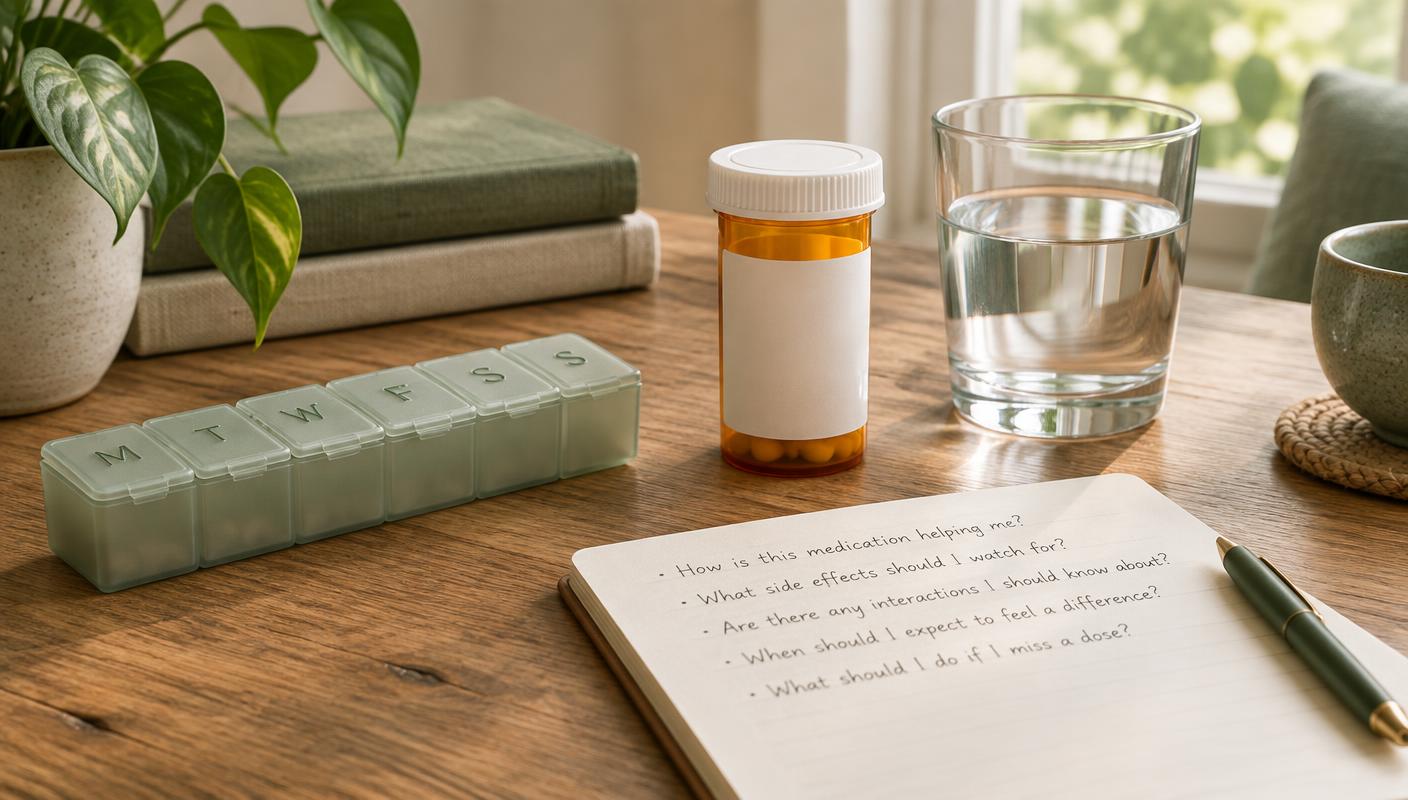
A medication organizer, blank prescription bottle, water, and a notebook with questions on a sunlit table

Your location during the visit matters

Telehealth care follows the rules of the state where you are physically located during the appointment. That may be different from your home address, so choose the booking pathway for the state where you will be at the time of the visit.

Tallman Psychiatry currently provides full medication management in North Carolina. Non-controlled medication management is available in Arizona and New Mexico, with broader medication management pending in both states.

What non-controlled medication management means

Some psychiatric medications are classified as controlled substances under federal and state law, while many others are not. In Arizona and New Mexico, current medication care is limited to non-controlled options.

A medication being available does not mean it will be recommended. Every decision depends on a comprehensive evaluation, your health history, possible benefits and risks, and what is clinically appropriate.

Before you book

A few details can help you choose the right pathway and prepare for a useful conversation.

  • Confirm the state where you will be physically located
  • Write down your current medications, doses, and supplements
  • Note medications you have tried before and what happened
  • Bring the name and location of your preferred pharmacy
  • Use the North Carolina insurance pathway only if you plan to schedule through Modyfi
Medication decisions are shared decisions

Medication is one possible part of treatment, not an automatic outcome of an appointment. A thoughtful plan may include medication, therapy, practical supports, further assessment, or a combination of approaches.

You should understand what a medication is intended to help, the common risks and side effects, how progress will be monitored, and what to do if questions arise between visits.

Frequently Asked Questions

References

  1. U.S. Drug Enforcement Administration, Drug Scheduling. dea.gov
  2. U.S. Department of Health and Human Services, Telehealth Policy. telehealth.hhs.gov

About the Author

Samantha Tallman, board-certified psychiatric-mental health nurse practitioner

Samantha Tallman, PMHNP-BC

Founder, Tallman Psychiatry

Board-Certified Psychiatric Mental Health Nurse Practitioner

Research interests

  • Person-Centered Psychiatric Assessment
  • Mental Health Education
  • Artificial Intelligence in Healthcare
  • Safe & Ethical AI Implementation
  • Evidence-Based Psychopharmacology
More about Samantha

Medical Disclaimer

This content is provided for educational purposes only. Reading it does not establish a clinician-patient relationship with Tallman Psychiatry.

Nothing here is medical advice, a diagnosis, or a treatment recommendation for any individual. Decisions about your care should be made with a licensed clinician who knows your history.

If you're in crisis or thinking about harming yourself, call or text 988 to reach the Suicide & Crisis Lifeline, or call 911 if there's immediate danger.

Stay Updated

Receive evidence-based mental health education and new Learning Center articles from Tallman Psychiatry.

If you'd like to talk it through

Education can only go so far. If something here sounds familiar and you'd like a clinical perspective on it, appointments are available by secure telehealth in North Carolina, Arizona, and New Mexico. Full medication management is available in North Carolina, with non-controlled medication management available in Arizona and New Mexico.

Schedule an Appointment

Continue Learning

If you need urgent help

Tallman Psychiatry is not an emergency or crisis service. If you or someone else may be in immediate danger, call 911 or go to the nearest emergency department. In the United States, call or text 988 for the Suicide & Crisis Lifeline.